
What renting actually costs in Greater San Antonio
By San Antonio Apartment Locators Group · Updated 2026-06-24
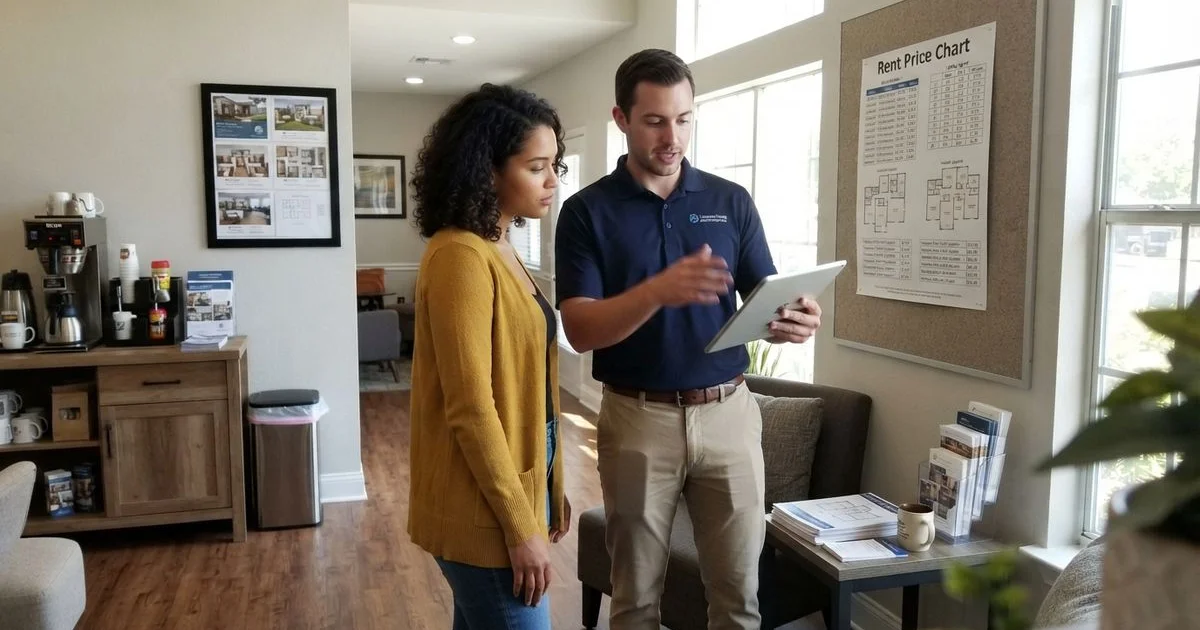
Ask ten people what an apartment “costs” and you will get ten different numbers, because most people are thinking only of the rent line on the listing. The real monthly cost of living in an apartment complex in Greater San Antonio is usually higher than that number, and the upfront cost of moving in is higher still. Here is what actually goes into the total, so you can compare communities on equal footing instead of chasing the lowest sticker price.
What “rent” usually means, and what it doesn’t
Base rent covers your unit and, typically, access to shared spaces like hallways and grounds. It does not usually cover utilities, parking, pet rent, or the amenity charges that many complexes bill separately for pools, fitness centers, or clubhouses. A quoted rent number rarely reflects your full monthly bill once those recurring extras are layered on top. Before you compare two communities on price, ask each leasing office for a full monthly total, not just the base rent.
A guideline for figuring out what you can afford
A common budgeting approach used by many San Antonio communities is to target rent at around 30% of your gross monthly income, then adjust that down if you’re carrying other debt such as a car payment, student loans, or credit cards. Someone earning $4,000 a month with modest debt might comfortably target somewhere in the low $1,000s for rent, while a household with more debt or a tighter budget should aim lower. This is a starting point for your own math, not a number any leasing office is bound to.
The fees that show up after the advertised price
Move-in costs are where budgets get surprised. Most communities in this market ask for a security deposit that runs close to one month’s rent, plus separate application and administrative fees that commonly add up to somewhere in the $150 to $250 range combined. Community type changes this too: gated and secured properties tend to run modestly higher on move-in costs than standard communities, and luxury properties can run well above both. Our apartment move-in costs guide breaks down which of these fees are actually negotiable.
| Cost type | When you pay it | What it typically covers |
|---|---|---|
| Base rent | Monthly | Your unit and general common-area access |
| Security deposit | At move-in | Refundable, held against damage beyond normal wear |
| Application fee | Before approval | Credit and background screening, nonrefundable |
| Administrative fee | At lease signing | Processing and setup, nonrefundable |
| Amenity fee | Monthly | Pool, gym, clubhouse, and shared facility upkeep |
| Pet fee and pet rent | At move-in, then monthly | One-time charge plus ongoing per-pet rent |
Why luxury and gated communities cost more
Luxury communities layer in upgraded finishes, resort-style amenities, and often higher staffing levels, and that shows up in both the monthly rent and the move-in total. Gated and secured communities add a smaller premium, mostly tied to the cost of maintaining access control and on-site security. Neither premium is automatic across every property, so it is worth checking whether the specific amenities offered actually match what you’d use day to day.
Utilities and the other recurring costs that aren’t in the rent line
Beyond the fees a leasing office bills you directly, budget separately for electricity, water, and internet, since almost no community in this market bundles all three into rent. Some properties use a ratio utility billing system that splits water and trash costs across residents based on unit size or occupancy rather than a metered bill, which is worth asking about directly since it changes your monthly total in a way a simple utility estimate won’t catch. Renters coming from a setup where utilities were included, like a dorm or a family home, are the ones most likely to be caught off guard here.
How to compare the real cost, not just the sticker price
When you’re weighing two or three options, ask each leasing office the same three questions: what is the all-in monthly cost including fees and estimated utilities, what is the total due at move-in, and are there any current concessions running. Communities in a softer leasing season are more likely to waive an admin fee or offer a free month, which can meaningfully change the true cost even when the advertised rent looks identical. Our scoring methodology weighs resident sentiment and completeness of listing information, but pricing itself always comes straight from the community, so confirming current numbers directly is the only way to know what you’ll actually pay.
FAQ
- How much of my income should go toward rent in San Antonio?
- A common guideline used by many San Antonio communities is keeping rent near 30% of your gross monthly income, then adjusting down if you carry other debt like a car payment or student loans.
- What fees come on top of the advertised rent?
- Expect a security deposit, an application fee, and often a separate administrative fee. Some communities also add monthly charges for amenities, parking, or utility billing that aren't in the headline rent number.
- Do gated and luxury communities really cost more to live in?
- Generally yes. Gated access and on-site security typically add a modest premium, while luxury finishes and amenities push both the rent and the upfront move-in cost noticeably higher.
- Can I negotiate rent or fees before signing?
- Base rent is rarely negotiable at larger communities, but concessions like a reduced deposit, a waived admin fee, or a free month are often available, especially when a property has vacancies to fill.