
Moving a college student into their first San Antonio apartment: a parent's checklist
By San Antonio Apartment Locators Group · Updated 2026-07-07
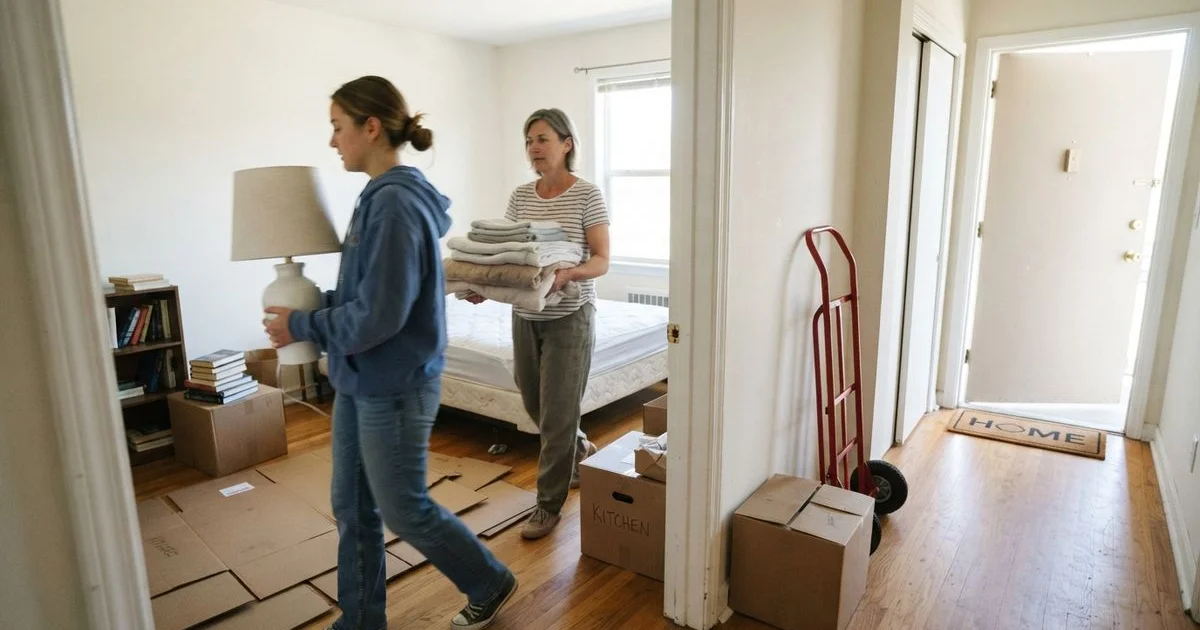
Move-in day for a college student’s first apartment is a milestone that comes with its own logistics, genuinely different from moving into a dorm room the year before. If your student is heading into student housing near campus, here’s a practical checklist for parents helping make the transition smooth. Pair it with our first apartment guide for UTSA students, written for your student directly, to cover both sides of the move.
Packing for an apartment, not a dorm room
Dorm packing lists don’t translate directly to apartment living. Beyond the basics, your student will need actual kitchen equipment, cleaning supplies, trash bags, and things a dorm typically supplied like a shower curtain or a full set of pots and pans. Making a specific list together ahead of time, rather than assuming leftover dorm items will cover it, avoids a stressful string of last-minute store runs during move-in week. A single big shopping trip before the move, rather than several rushed ones after, also tends to be easier on both the schedule and the budget.
Before move-in day
Confirm the move-in date and time with the leasing office well ahead of the move, and ask specifically what condition the unit will be in and whether a walkthrough inspection is available before your student takes possession. If you co-signed as a guarantor, keep a copy of the signed lease for your own records, since you remain financially responsible for the full terms even if you’re not physically on-site day to day.
Safety basics worth checking together
On move-in day, test the smoke detectors together and confirm door and window locks function properly. Walk the building to find the nearest exit or stairwell in case of an emergency. Save the leasing office’s regular and after-hours maintenance contact numbers directly in your student’s phone, since knowing who to call for a lockout or a broken AC at 11pm matters more than it seems until it happens.
What’s genuinely different from dorm life
A dorm typically handles utilities, basic furniture, and often some level of building maintenance visibility. An apartment puts more of that directly on your student: setting up electricity and internet accounts, understanding what’s covered by the lease versus what isn’t, and coordinating directly with roommates on shared responsibilities like cleaning and grocery costs. Walking through this list together before move-in day reduces the number of surprises in the first few weeks.
| Checklist item | Why it matters |
|---|---|
| Test smoke detectors | Basic safety, easy to overlook in the move-in rush |
| Confirm locks work on doors and windows | Personal security, especially for a first time living alone |
| Save maintenance contact numbers | Speeds up handling lockouts or urgent repairs |
| Set up utilities and internet | Often not automatic like it was in a dorm |
| Review roommate responsibilities | Avoids early conflict over chores and shared costs |
A basic move-in kit that covers the early gaps
A simple kit with basic kitchen tools, cleaning supplies, a first aid kit, extra lightbulbs, and a small toolkit for minor fixes covers most of what a first-time renter doesn’t think to buy until they need it. It’s a small investment that prevents a lot of last-minute store runs in the first week.
Talking through roommate logistics before the first week
If your student is sharing the unit, a short family conversation about splitting bills, a shared cleaning schedule, and how to handle a roommate conflict can prevent a lot of first-semester stress. Most roommate leases use joint and several liability, holding every tenant responsible for the full rent if someone falls behind, so it’s worth making sure your student understands that arrangement clearly rather than assuming it works like splitting a restaurant bill.
Staying appropriately involved afterward
Once your student is settled, it’s reasonable to check in periodically about rent payments and any maintenance issues, especially if you’re a guarantor on the lease. Reviewing resident feedback and our scoring methodology together before the lease renews each year is a low-effort way to stay informed about whether the property is still a good fit as your student’s needs change, especially if roommates change, a lease renews at a higher rate, or some other major life change reshuffles the household partway through the school year.
FAQ
- What should we check on move-in day beyond just unpacking?
- Test smoke detectors, confirm door and window locks work properly, locate the nearest fire exit or stairwell, and save the leasing office's after-hours maintenance number in your student's phone.
- Should I still be involved once my student has signed the lease?
- It depends on the lease. If you co-signed as a guarantor, you're financially responsible even if you're not physically present, so it's worth staying in the loop on rent payments and any lease issues.
- What's different about moving into an apartment versus a dorm?
- Apartments generally mean more independence and responsibility: your student now handles utility setup, grocery shopping, and roommate coordination that a dorm typically handled for them.
- What should go on a basic move-in kit for a first apartment?
- Basic kitchen tools, cleaning supplies, a first aid kit, extra lightbulbs, and a small toolkit for simple fixes cover most of the early gaps students don't think of until they need them.