
Helping an aging parent choose a senior living apartment in San Antonio
By San Antonio Apartment Locators Group · Updated 2026-07-08
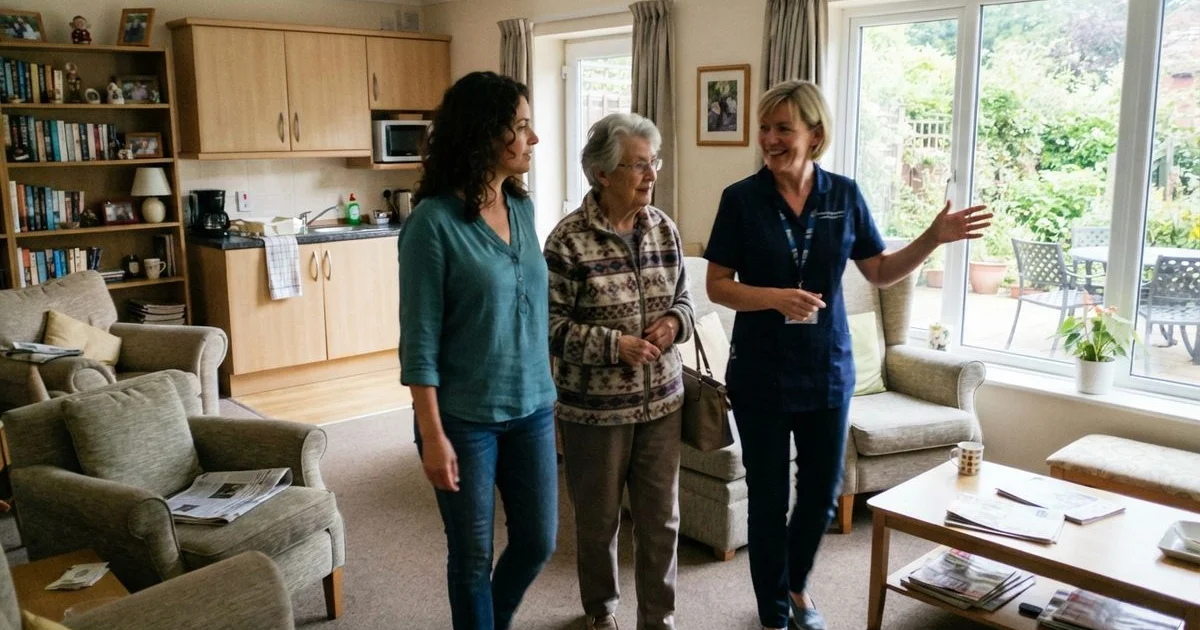
Helping a parent choose a senior living apartment in San Antonio is a decision that mixes practical logistics with real emotional weight. Finding the right apartment means balancing a parent’s independence against real safety and care considerations, and here’s a framework for approaching it as a family.
Start with what actually matters day to day
It’s easy to get pulled toward the community with the nicest clubhouse or the most polished brochure. What actually determines quality of life day to day is staff responsiveness, how quickly maintenance issues get resolved, and whether the physical space genuinely fits your parent’s mobility needs now and in the near future. Walk through a typical day with your parent in mind: getting to the mailbox, reaching a bathroom safely at night, getting groceries inside.
Questions to ask that go beyond the tour script
Leasing tours are designed to show a community’s best features. Ask direct questions instead: how quickly does maintenance typically respond to a request, is transportation actually available on a regular schedule or only occasionally, and what happens if a resident needs a higher level of care than the community currently provides. A well-run community will answer these directly rather than deflecting to general marketing language.
| What to evaluate | Why it matters for an aging parent |
|---|---|
| Maintenance response time | Affects daily comfort and safety, not just convenience |
| Accessibility features | Grab bars, step-free entries, and wide doorways matter more over time |
| Transportation availability | Determines independence for errands and appointments |
| Staff continuity | Frequent turnover can mean inconsistent care and communication |
| Community and social activity level | Affects isolation risk, which matters for wellbeing |
Thinking ahead to changing needs
A community that fits your parent’s needs today may not fit as well in five years if mobility or health needs change. Ask whether the property offers different levels of support on-site, or whether residents typically move elsewhere if their needs increase, since that affects how much of a long-term decision this really is versus a shorter-term one you may revisit. Some communities partner with home health agencies that can come to a resident’s unit, which can extend how long a parent stays comfortably in the same place. Asking this question upfront, even when it feels premature, can save your family a second stressful move down the road.
Financial assistance is worth exploring early
Many senior communities participate in income-based programs or federal subsidies that can meaningfully reduce cost, but eligibility and availability vary property by property. It’s worth asking directly and starting that conversation early, since some programs carry a waitlist. Our senior housing assistance and subsidies guide covers the specific programs available in this market in more depth.
Watching for red flags in reviews and on the tour
Recurring resident complaints about slow maintenance response or unresponsive office staff are common warning signs worth taking seriously, since these issues compound over time in ways that matter more for an aging resident than a younger renter juggling a busier schedule elsewhere. A single negative review is less telling than a pattern across many.
What a tour looks like when you go together
Plan to visit at a time of day that shows the community as it actually runs, not just during a scheduled tour slot when staff may be more visibly present. Ask to see an actual vacant unit similar to what your parent would rent rather than a staged model, and take note of things a leasing agent won’t necessarily point out: noise levels in hallways, whether elevators are working, and how residents interact with staff you pass along the way.
Keeping your parent at the center of the decision
It’s natural for adult children to lead logistics, but the day-to-day experience belongs to your parent. Involve them in tours and conversations as much as they’re able, and weigh their comfort and preferences alongside the practical checklist. Our scoring methodology draws on real resident sentiment specifically so families can compare communities on lived experience, not just amenities and price, which tends to matter more to a parent living there every day than it does on a single afternoon tour.
FAQ
- What should we prioritize on a tour for an aging parent?
- Focus on staff responsiveness, how quickly maintenance requests get handled, accessibility features like grab bars and step-free entries, and whether transportation services are actually available, not just advertised.
- How do we know if a community handles mobility needs well?
- Ask directly about accessible unit features, whether transportation is on-site or contracted, and how staff has handled mobility-related requests for current residents in the past.
- What's a red flag during a tour or in reviews?
- Recurring complaints about slow maintenance response or unresponsive office staff are worth taking seriously, since these issues affect daily quality of life more than amenities do for most seniors.
- Should my parent be involved in every step of the decision?
- As much as possible. A community that fits a parent's own priorities and comfort, not just what's convenient for family, tends to lead to a better long-term fit.