
Luxury vs standard apartments in San Antonio: what the extra rent buys you
By San Antonio Apartment Locators Group · Updated 2026-06-27
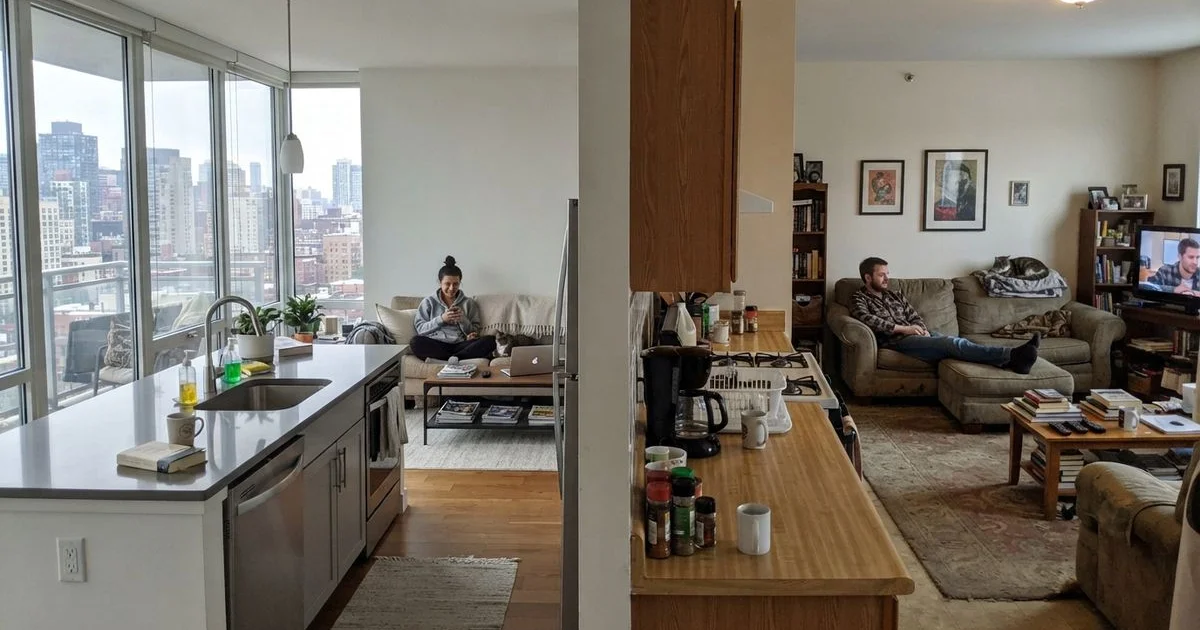
Every renter eventually asks the same question while scrolling listings: is the more expensive place actually better, or just newer? In San Antonio’s apartment market, the answer depends less on the price tag and more on whether the specific things a luxury tier buys are things you’ll actually use.
What separates a luxury community from a standard one
The industry generally sorts properties into Class A, B, and C tiers by age, condition, and amenity set. Newer or recently renovated buildings with high-end finishes, smart-home features, and resort-style amenities sit at the top. Properties built or last updated a decade or two ago, with solid but more basic amenities, sit in the middle. Older buildings with minimal amenities and lower rents round out the bottom. None of these tiers is inherently better or worse for every renter; they serve different budgets and priorities.
Where the extra rent actually goes
At the luxury tier, you’re typically paying for three things: newer unit finishes (updated cabinets, countertops, and flooring), amenity infrastructure (larger pools, full fitness centers, clubhouses, sometimes package concierge or covered parking), and often a lower resident-to-staff ratio. Move-in costs run higher too, since deposits and fees are frequently scaled to a percentage of rent rather than a flat number. Whatever tier you choose, keep records of the unit’s condition at move-in; the move-out cleaning and deposit return guide covers what it takes to get that deposit back at the end of the lease.
| Factor | Standard community | Luxury community |
|---|---|---|
| Typical building age | Often 15-plus years | Often newer or recently renovated |
| Amenities | Basic: parking, maybe a small pool | Resort-style pool, full gym, clubhouse |
| Unit finishes | Functional, may show some age | Upgraded countertops, flooring, fixtures |
| Move-in cost | Generally lower | Generally much higher |
| Best fit for | Budget-focused renters, essentials-first | Renters who will use the amenities regularly |
The question that actually matters: will you use it
A resort-style pool and a full fitness center only add value if you’ll use them regularly. If your workouts happen at a gym across town and you swim twice a summer, you’re paying a recurring premium for infrastructure that sits idle. On the other hand, if you work from home and would genuinely use a coworking lounge or a package system that eliminates missed deliveries, the premium can pay for itself in convenience.
Maintenance quality isn’t guaranteed by price tier
It’s tempting to assume a higher price buys better service, but maintenance responsiveness and how well a property is run come down to the specific management team on site, not the rent tier. A standard community with an attentive manager can outperform a luxury property with high turnover in the leasing office. Before committing to either tier, look at recent resident feedback specifically about maintenance response time and management responsiveness, not just the amenity list.
A middle path worth considering
Between the two extremes, some standard communities have been updated with a handful of higher-end touches, like a renovated pool area or upgraded unit finishes, without carrying the full luxury price tag across the board. These properties can be a good fit if you want a couple of specific upgrades without paying for the entire amenity package a top-tier building offers. It’s worth asking a leasing office directly what’s been renovated recently and what hasn’t, rather than assuming a property’s overall class label applies evenly to every unit and amenity.
Watching for the gap between marketing photos and reality
Listing photos, especially for luxury properties, tend to show the best-lit unit and the freshest angle on every amenity. On a tour, ask to see the actual unit type you’d be renting rather than only a staged model, and pay attention to details like sound insulation between units, which photos never reveal but affect daily comfort at any price tier.
How to decide
List out the amenities you’d actually use weekly, not the ones that just look good in photos. Compare that list against the rent premium for a luxury tier versus a standard one, and be honest about whether the difference is worth it for your budget. Our scoring methodology weighs resident sentiment heavily for exactly this reason: the amenity brochure tells you what’s available, but real reviews tell you what living there is actually like.
FAQ
- What actually makes an apartment 'luxury' in San Antonio?
- Newer construction or recent renovation, upgraded finishes, and resort-style amenities like a large pool, fitness center, or clubhouse. Age and condition of the building are the biggest factors.
- How much more does a luxury apartment typically cost to move into?
- Luxury communities generally run meaningfully higher on both monthly rent and move-in costs compared to standard properties, largely because of the amenities and finish quality.
- Is a luxury apartment worth it if I won't use most of the amenities?
- Probably not. If you're mainly paying for a pool and gym you won't use regularly, a well-maintained standard community may give you a better return for the same budget.
- Are luxury apartments better maintained than standard ones?
- Not automatically. Property class affects finish quality and amenities, but day-to-day maintenance responsiveness depends on the specific management team, not the price tier.